
GO BACK
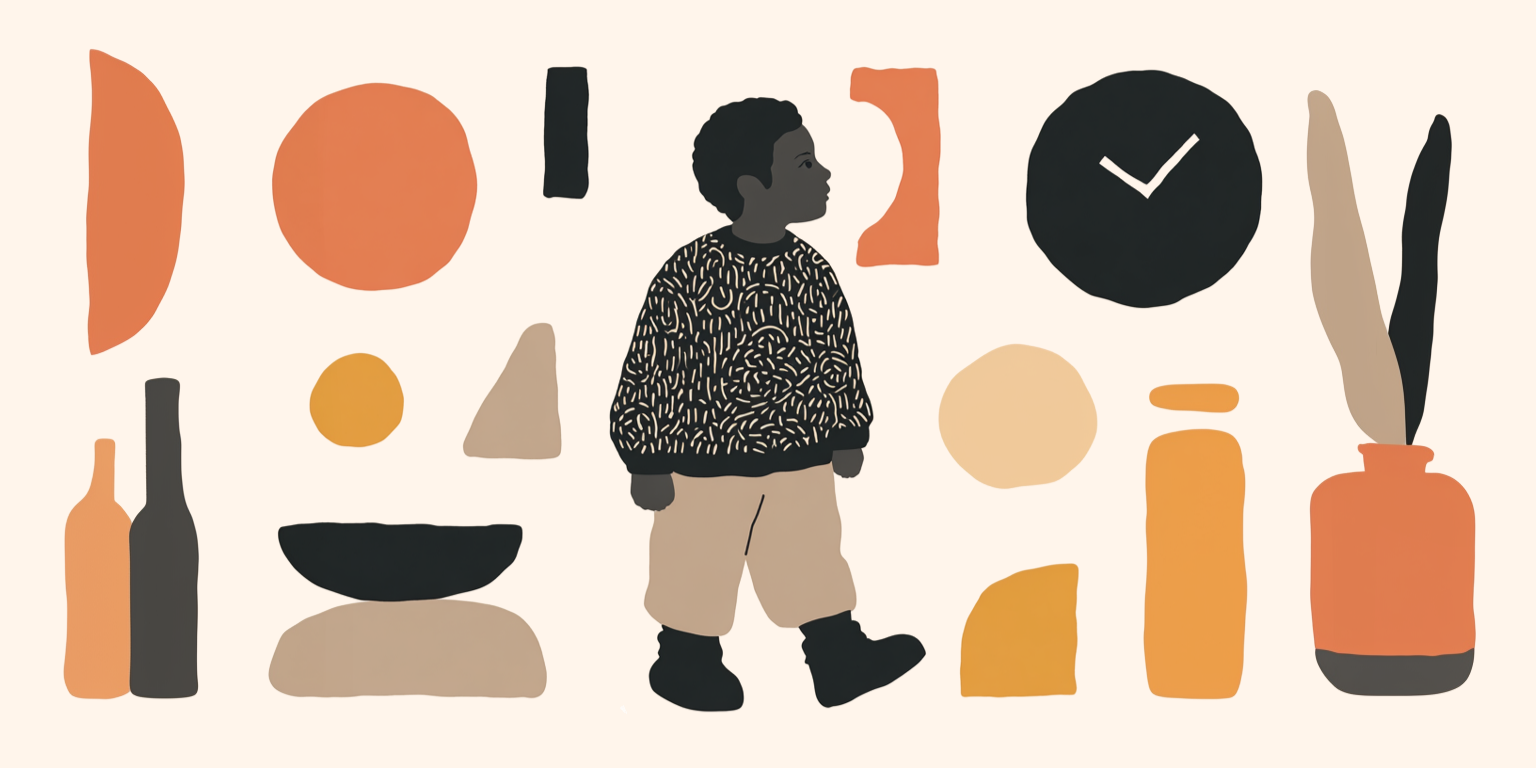
"And then the dinosaur said to the volcano," Oliver announced, climbing onto his designated kitchen chair with the ceremonial importance of a tiny king claiming his throne.
Diana glanced at the clock mid-coffee-pour: 7:23. She'd learned to time Oliver's breakfast stories, usually allowing exactly twelve minutes before the gentle but firm transition to getting dressed for preschool.
"The volcano was scared of the dinosaur's big teeth," Oliver continued, spreading jam on his toast with the precision of a drunken sailor. "But the dinosaur just wanted to brush them."
Tom looked up from his laptop, where he'd been pretending to check emails while actually browsing headlines about whether aliens had finally made contact (they hadn't, but the speculation was entertaining). "Smart dinosaur. Dental hygiene is important."
Diana checked the clock again. Still 7:23.
That was weird. Oliver had been talking for at least five minutes about interspecies dental care, but the minute hand hadn't budged. She tapped the glass experimentally, wondering if the mechanism was stuck.
"Don't break Grandma Dot's clock," Tom said absently, still absorbed in his alien research.
"It's not moving," Diana said.
Tom glanced up. "What's not moving?"
"The clock. It's been 7:23 for the entire dinosaur dental consultation."
"Maybe it's mesmerized by the storytelling," Tom suggested. "Even timepieces appreciate good narrative structure."
Oliver, oblivious to their temporal crisis, had moved on to explaining how the volcano learned to floss using lava streams, which was both scientifically impossible and oddly compelling.
"And when the volcano got really good at cleaning its crater," Oliver concluded, "the dinosaur said 'Now we can be friends forever!' The end."
The clock's second hand jerked back to life with an audible tick, and the minute hand jumped to 7:35.
Diana and Tom stared at each other across the kitchen like they'd witnessed a minor miracle or a major mechanical failure.
"Did that just..." Diana started.
"The clock definitely..." Tom agreed.
"Time for school!" Oliver announced cheerfully, hopping down from his chair like nothing supernatural had occurred in their kitchen.
Over the next few weeks, they developed an unspoken agreement to monitor the clock during Oliver's storytelling sessions. The pattern was consistent and completely ridiculous: the moment Oliver settled into story mode, time stopped.
The second hand would freeze mid-sweep, the minute hand would pause wherever it happened to be, and their entire kitchen would exist in a temporal bubble until Oliver reached his inevitable "The End."
"We're living with a chronologically gifted four-year-old," Tom whispered one morning after Oliver finished an epic tale about a sandwich that achieved sentience and started its own food truck.
"Or our clock has developed very specific listening preferences," Diana whispered back.
They'd started timing Oliver's stories on their phones, discovering that his narratives consistently lasted between eight and fifteen minutes in real time, but kitchen time remained completely static throughout. It was like their breakfast table existed in its own timezone, one that valued story completion over punctuality.
"Should we be concerned about this?" Diana asked one evening after Oliver went to bed. "Like, is this a call-a-physicist situation, or more of a call-a-therapist situation?"
"I vote neither," Tom said. "I vote we just enjoy having a kid whose stories are so compelling they stop time."
The clock seemed to approve of this decision. It ran perfectly normally during every other family activity, keeping accurate time through homework sessions, dinner preparations, and bedtime routines. But the moment Oliver climbed onto his storytelling throne with that particular gleam in his eye, their kitchen entered what Diana had started calling "narrative time."
"Today I'm going to tell you about the library book that learned to read itself," Oliver announced one Tuesday morning.
Diana glanced at the clock: 7:19. She settled in with her coffee, curious to see how long this one would take.
Twenty minutes later, after a complex plot involving self-aware literature and a romance between a dictionary and a cookbook, Oliver finished with his signature "The End!" The clock immediately resumed its duties, jumping to 7:31.
"Twelve minutes," Tom observed quietly. "But it felt like twenty."
"Because it was twenty," Diana realized. "Oliver gets extra time that doesn't count against our schedule. It's like the universe's gift for good parenting."
They'd started looking forward to these temporal anomalies, treating them as bonus time stolen from their usually frantic mornings. Diana stopped checking her watch during stories. Tom closed his laptop completely. They'd discovered that when time wasn't pressuring them, they actually heard Oliver's stories instead of just waiting for them to end.
"You know what's funny?" Diana said one morning after Oliver finished a story about a cloud that got tired of floating and decided to become a houseplant. "I used to think his stories were making us late. But we're never actually late anymore."
Tom nodded. "Hard to be late when time stops for your convenience."
"Or when you stop fighting time," Diana said, watching Oliver carefully arrange his breakfast dishes in the dishwasher with the same methodical attention he brought to his storytelling.
The clock had taught them something about presence that all their parenting books had somehow missed. You couldn't rush meaning. You couldn't schedule wonder. Some things required their own rhythm, and fighting that rhythm just made everyone miserable.
"Think other families have magic clocks?" Oliver asked, apparently having overheard their conversation.
"I think other families probably have their own kind of magic," Diana said. "But ours happens to live in Grandma Dot's clock."
Oliver nodded like this made perfect sense. "She probably told it to be nice to kids who tell stories."
Tom grinned. "Your great-grandmother was definitely the type to program appliances for optimal grandchild support."
As Oliver gathered his backpack for school, Diana caught Tom's eye and nodded toward the clock. 7:47, ticking along normally, keeping perfect time until tomorrow's story session.
Walking to the car, Diana realized they'd stumbled onto something better than punctuality: they'd found a way to honor their son's voice without sacrificing their schedule.
"Tomorrow I want to tell you about the spoon that got tired of soup," Oliver announced from his car seat.
"Can't wait," Diana and Tom said in unison, already looking forward to another morning of borrowed time.
When Time Listens
By Hana Dubois
The first time it happened, Diana blamed the battery. Old clocks were temperamental, and theirs was a vintage piece inherited from Tom's grandmother, the kind that ticked loudly enough to drive normal people insane but somehow provided the perfect soundtrack for their chaotic mornings.
"And then the dinosaur said to the volcano," Oliver announced, climbing onto his designated kitchen chair with the ceremonial importance of a tiny king claiming his throne.
Diana glanced at the clock mid-coffee-pour: 7:23. She'd learned to time Oliver's breakfast stories, usually allowing exactly twelve minutes before the gentle but firm transition to getting dressed for preschool.
"The volcano was scared of the dinosaur's big teeth," Oliver continued, spreading jam on his toast with the precision of a drunken sailor. "But the dinosaur just wanted to brush them."
Tom looked up from his laptop, where he'd been pretending to check emails while actually browsing headlines about whether aliens had finally made contact (they hadn't, but the speculation was entertaining). "Smart dinosaur. Dental hygiene is important."
Diana checked the clock again. Still 7:23.
That was weird. Oliver had been talking for at least five minutes about interspecies dental care, but the minute hand hadn't budged. She tapped the glass experimentally, wondering if the mechanism was stuck.
"Don't break Grandma Dot's clock," Tom said absently, still absorbed in his alien research.
"It's not moving," Diana said.
Tom glanced up. "What's not moving?"
"The clock. It's been 7:23 for the entire dinosaur dental consultation."
"Maybe it's mesmerized by the storytelling," Tom suggested. "Even timepieces appreciate good narrative structure."
Oliver, oblivious to their temporal crisis, had moved on to explaining how the volcano learned to floss using lava streams, which was both scientifically impossible and oddly compelling.
"And when the volcano got really good at cleaning its crater," Oliver concluded, "the dinosaur said 'Now we can be friends forever!' The end."
The clock's second hand jerked back to life with an audible tick, and the minute hand jumped to 7:35.
Diana and Tom stared at each other across the kitchen like they'd witnessed a minor miracle or a major mechanical failure.
"Did that just..." Diana started.
"The clock definitely..." Tom agreed.
"Time for school!" Oliver announced cheerfully, hopping down from his chair like nothing supernatural had occurred in their kitchen.
Over the next few weeks, they developed an unspoken agreement to monitor the clock during Oliver's storytelling sessions. The pattern was consistent and completely ridiculous: the moment Oliver settled into story mode, time stopped.
The second hand would freeze mid-sweep, the minute hand would pause wherever it happened to be, and their entire kitchen would exist in a temporal bubble until Oliver reached his inevitable "The End."
"We're living with a chronologically gifted four-year-old," Tom whispered one morning after Oliver finished an epic tale about a sandwich that achieved sentience and started its own food truck.
"Or our clock has developed very specific listening preferences," Diana whispered back.
They'd started timing Oliver's stories on their phones, discovering that his narratives consistently lasted between eight and fifteen minutes in real time, but kitchen time remained completely static throughout. It was like their breakfast table existed in its own timezone, one that valued story completion over punctuality.
"Should we be concerned about this?" Diana asked one evening after Oliver went to bed. "Like, is this a call-a-physicist situation, or more of a call-a-therapist situation?"
"I vote neither," Tom said. "I vote we just enjoy having a kid whose stories are so compelling they stop time."
The clock seemed to approve of this decision. It ran perfectly normally during every other family activity, keeping accurate time through homework sessions, dinner preparations, and bedtime routines. But the moment Oliver climbed onto his storytelling throne with that particular gleam in his eye, their kitchen entered what Diana had started calling "narrative time."
"Today I'm going to tell you about the library book that learned to read itself," Oliver announced one Tuesday morning.
Diana glanced at the clock: 7:19. She settled in with her coffee, curious to see how long this one would take.
Twenty minutes later, after a complex plot involving self-aware literature and a romance between a dictionary and a cookbook, Oliver finished with his signature "The End!" The clock immediately resumed its duties, jumping to 7:31.
"Twelve minutes," Tom observed quietly. "But it felt like twenty."
"Because it was twenty," Diana realized. "Oliver gets extra time that doesn't count against our schedule. It's like the universe's gift for good parenting."
They'd started looking forward to these temporal anomalies, treating them as bonus time stolen from their usually frantic mornings. Diana stopped checking her watch during stories. Tom closed his laptop completely. They'd discovered that when time wasn't pressuring them, they actually heard Oliver's stories instead of just waiting for them to end.
"You know what's funny?" Diana said one morning after Oliver finished a story about a cloud that got tired of floating and decided to become a houseplant. "I used to think his stories were making us late. But we're never actually late anymore."
Tom nodded. "Hard to be late when time stops for your convenience."
"Or when you stop fighting time," Diana said, watching Oliver carefully arrange his breakfast dishes in the dishwasher with the same methodical attention he brought to his storytelling.
The clock had taught them something about presence that all their parenting books had somehow missed. You couldn't rush meaning. You couldn't schedule wonder. Some things required their own rhythm, and fighting that rhythm just made everyone miserable.
"Think other families have magic clocks?" Oliver asked, apparently having overheard their conversation.
"I think other families probably have their own kind of magic," Diana said. "But ours happens to live in Grandma Dot's clock."
Oliver nodded like this made perfect sense. "She probably told it to be nice to kids who tell stories."
Tom grinned. "Your great-grandmother was definitely the type to program appliances for optimal grandchild support."
As Oliver gathered his backpack for school, Diana caught Tom's eye and nodded toward the clock. 7:47, ticking along normally, keeping perfect time until tomorrow's story session.
Walking to the car, Diana realized they'd stumbled onto something better than punctuality: they'd found a way to honor their son's voice without sacrificing their schedule.
"Tomorrow I want to tell you about the spoon that got tired of soup," Oliver announced from his car seat.
"Can't wait," Diana and Tom said in unison, already looking forward to another morning of borrowed time.


Enjoyed this story?
Subscribe to Quiet Material for a delightful new story every week.


CONTACT
PRIVACY
© Mother of Invention