
Daddy Issues
The Plato proverb that gave my company its name is “necessity is the mother of invention”. I’ve always loved it because it puts mothers at the center of making something new out of constraint. But here’s what the proverb actually means:
Our need will be the real creator.
That’s a human instinct, not just a maternal one.
Mother of Invention, the company, is named for that spirit. And while my personal experience of parenthood is through a biological maternal lens, the framework I’ve been building here was never only meant for mothers.
I think I need to be saying that more loudly.
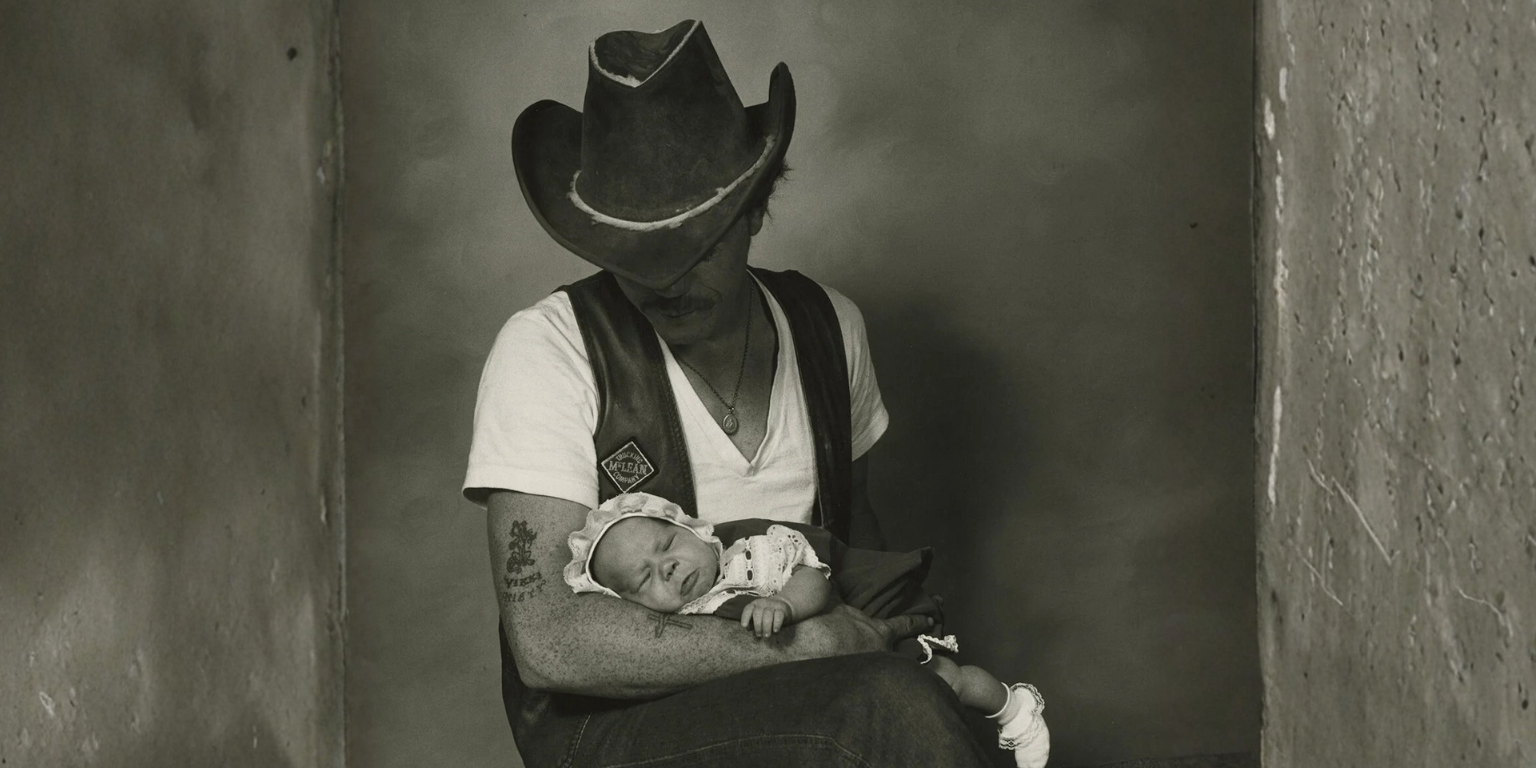
Hence why, with Mother’s Day just around the corner, I wanted to pen an essay for dads.
Kevin Seldon
I’ll be honest about how I found Kevin Seldon: I saw the title of his book and laughed out loud: The DILF (Dad I’d Like To... Friend) Handbook
Come on. You have to respect that!
Kevin’s a popular dude, so I pay homage to the diaper gods that he responded when I slipped into his DMs on Instagram. And then actually showed up to our virtual meeting.
We were so completely aligned after that 30 minutes, we met in person twenty-four hours later. Call me crazy, but in today’s day and age that never happens. (Bless you Goddess of Blow Outs, bless you!)
So who is Kevin? An author, yes, but he is the founder of Dads Supporting Dads, a nonprofit network of leading organizations in the dad space, and All Parents Welcome, a nonprofit built around a simple vision of more support for all parents, regardless of gender, sexual orientation, cultural identity, or socioeconomic status.
Accomplished gent? Yes. But his personal story is what got me.
I’ve talked a lot about matrescence in these essays, but here’s what struck me about Kevin: he was the one who was a shell of himself during the first year postpartum. Not his wife. She was thriving!
He lost the thread of who he was, experienced common hormonal fluctuations that are not talked about for dads, and went through something enormous with no language for it.
Is “patrescence” a word? I’m not sure it is, but I’m damn sure Kevin is the person to coin and bring it into the zeitgeist alongside “matrescence”.
Beyond the book title and the mutual oversharing on a phone call, was a shared conviction: the diaper change is one of the most powerful bonding opportunities available to non-birthing parents.
Especially in the fourth trimester. Especially when one partner is breastfeeding around the clock and the other is looking for a way in to connect with the newest member of their family.
Own the Output
I have to give my dear friend Melanie Kaplan, founder of oPPal (a peer-based support system pairing new moms with experienced moms), credit for this Dads for Diapering campaign concept: if Moms own the input, Dads should own the output.
If breastfeeding is literally input, then diapering is output. And if one partner is doing the input around the clock, the other partner owning the output transcends “being helpful”.
It’s an act of recognition that says: I see the miracle your body is performing. I see showing up over and over again. This part is mine.
And I’m not owning it (just) to get brownie points. I’m stepping up for myself and my baby.
The bonding that happens in an attuned diaper change isn’t secondary to “real” bonding. It’s eye contact, physical touch, rhythm and safety. A newborn is capable of call and response (AKA “Serve & Return”) interactions. They learn the rhythm of daddy’s hands, even when his digits are trembling and uncertain in the beginning.
Dads for Diapers means both parents can start logging the attachment bond building together from Day 1.
What Nobody Told the Fathers
The journalist Diego Arguedas Ortiz recently wrote a piece for the BBC about fatherhood and the brain. He opened it this way: his partner attended the birth workshops, the breastfeeding sessions, the antenatal courses. Their notepads filled up with everything about how women’s bodies prepare for motherhood.
“No one, however, told me that my brain and body were also readying for fatherhood.”
Lee Gettler, director of the Hormones, Health, and Human Behavior Laboratory at the University of Notre Dame, found that fathers who spent the most hours doing hands-on childcare showed the largest hormonal shifts: changes that made them more alert to baby cries, more attuned to infant cues, more likely to engage.
In a study led by Israeli researcher Ruth Feldman, gay dads doing primary caregiving developed the same deep instinctual brain activation — the amygdala response — as mothers.
The so-called “maternal brain” isn’t just maternal: it’s a “caregiving brain”.
What Kevin described from lived experience, Gettler and Feldman and other researchers are now documenting in labs.
Dads have the instinct in them, but they need place to start.
Their biology is waiting to be triggered by the exact repetitive, attuned, hands-on caregiving that a diaper change demands.
Fathers of Invention, indeed.
- Maggie

Enjoyed this essay?
Subscribe to Soft Geometry for a thoughtful new reflection every week.


CONTACT
PRIVACY
© Mother of Invention