
The Part of Preschool Admissions You Can’t Put on Paper
The timing of this first guest essay couldn’t be more apropos: Preschool and Kindergarten admissions for private schools here in Los Angeles were top of mind — and stressful — for thousands of families this past week.
I invented The MOI Nest as the first diaper changing pad that builds parent-child bonding into the diapering experience through play and connection. Which means I think a lot about how the 5,000–8,000 diaper changes we do in our child’s first few years are a goldmine for development.
Dr. Sarah Lebovitz Suria reached out after watching my Instagram videos on attachment and attunement in these micro-moments. After a long Zoom geek-out, I invited her to write about something she’s observed working with hundreds of families navigating school admissions.
The Part of Preschool Admissions You Can’t Put on Paper
There is a version of preschool admissions that lives on paper.
Applications. Tours. Deadlines. Parent interviews. Readiness checklists. The quiet spreadsheet of who is applying where.
And then there is the version that lives in the body, in the everyday relationship between parent and child.
The child who clings at the classroom door when everyone expects a cheerful wave. The child who says nothing during a visit even though they are bright, funny, and endlessly verbal at home. The parent who hears themselves over-explaining, over-helping, over-filling the silence, not because they are performative, but because the moment suddenly feels loaded and they are trying to protect their child inside it.
This is the part of preschool admissions many families do not prepare for, because it does not look like preparation in the traditional sense.
It looks like attachment.
Most admissions conversations focus on visible markers: language development, early academic skills, the ability to follow directions, separate, and manage a classroom routine. Those things matter.
But one of the readiness factors I often watch most closely does not appear on a checklist. It shows up in the body. In the doorway. In the split second when something feels new or overwhelming.
It is attachment, not as diagnosis and not as blame, but as the pattern that shapes how a child answers one essential question:
When something feels hard or unfamiliar, what happens next?
Do they fall apart and stay there? Do they avoid? Freeze? Cling? Or can they find their way back, regroup, and re-enter the situation?
Children have been practicing their answer to that question for years before any school visit, application, or first day arrives. In a diaper change with eye contact. In a rushed goodbye that still included a real goodbye. In the moment a parent paused instead of stepping in too quickly. In the small, repeated experiences of distress being noticed, met, and gotten through.
None of those moments look like school preparation. And yet they are exactly where readiness is built.
Readiness is not something you manufacture once applications begin. It is built gradually, through small day-to-day moments, over time.
This is what I wish more parents heard before a school visit: the goal is not a child who never cries, never hesitates, never goes quiet. The goal is a child who can be helped back into the moment.
That is a different standard. And a more humane one.
A child who clings and then comes back, who gets shaky and then settles, is showing you something more useful than a child who never wobbles at all. They know how to come back from something hard. They have some experience getting disorganized without completely falling apart. They have a self to return to.
This matters enormously in the first weeks of school, when drop-offs are hard and classroom life asks children to tolerate frustration, uncertainty, waiting, and repair. A child who has learned that discomfort is survivable will still struggle, of course. But the struggle will not feel like the end of the story. A child who has only ever had distress smoothed away is often in a more fragile position.
Preschool admissions does not really make room for the wobble. But the wobble is often the most honest information in the room.
The process dysregulates adults too. That part deserves more attention than it gets.
When parents are stressed, we often start trying to make our children look ready instead of helping them be ready. We answer too quickly on their behalf. We rehearse too much. We fill silences that do not need filling. We treat every wobble as a verdict.
This is not a character flaw. It is an understandable response to a process that compresses who your child is into a brief window and asks you to trust that strangers will see what you see.
But children do not become more capable because we perform confidence on their behalf. They become more capable through repeated experiences of being seen when they are struggling, steadied when they are overwhelmed, and trusted to come back to themselves.
That is not really an admissions strategy. It is just parenting. The ordinary, imperfect, ongoing kind.
So if you are looking at your child through the lens of school readiness right now, it may help to remember this: the schools worth attending are not looking for a finished child. They are looking for a child who can grow.
And the parenting worth doing has always looked less like preparation and more like presence.
You have probably been doing it all along, in the messy, ordinary, unglamorous moments.
That is where it continues to happen.
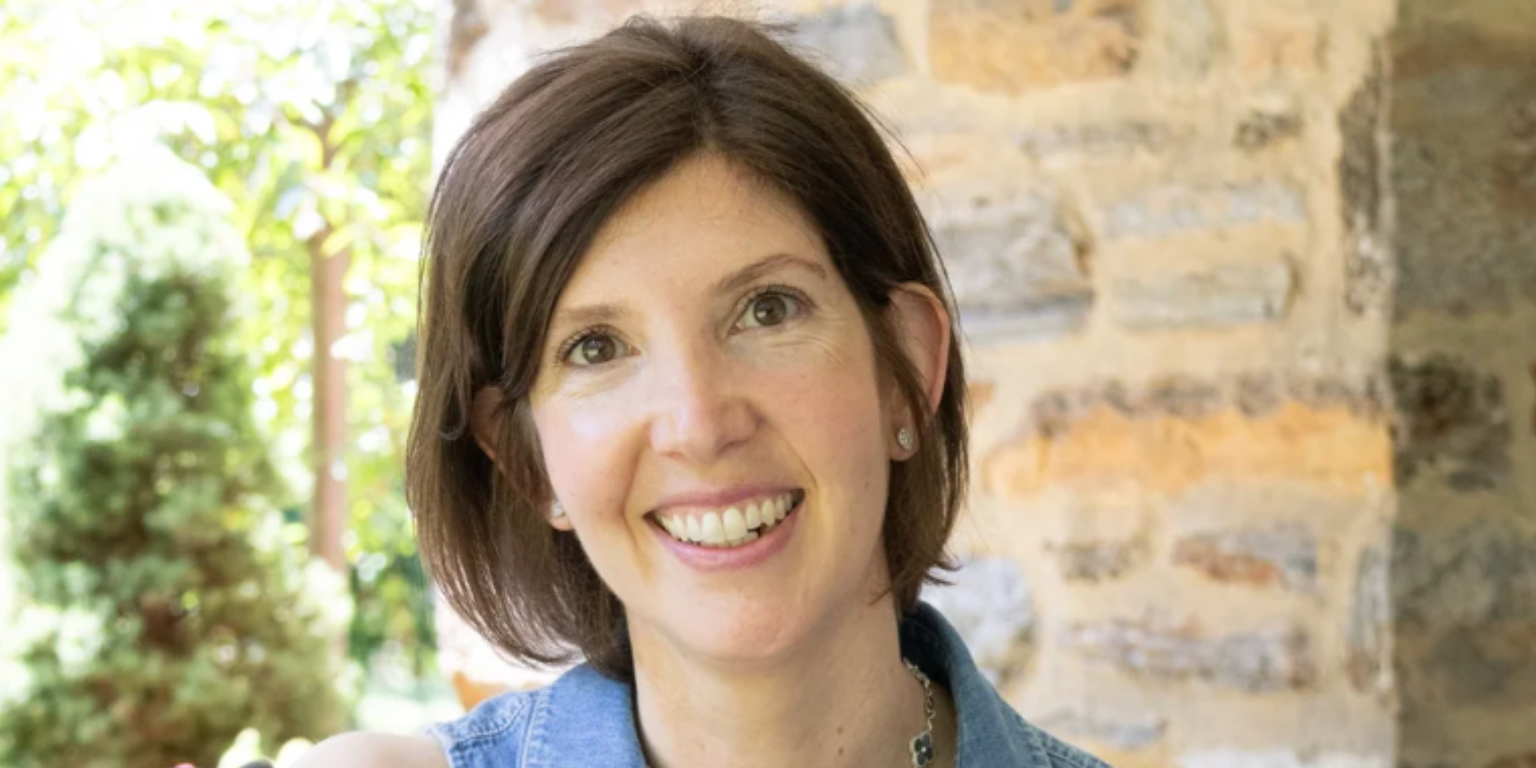
Dr. Sarah Lebovitz Suria is a licensed psychologist writing about parenting, attachment, child development, and the school moments that reveal how children handle discomfort, separation, and change. Her work focuses on the emotional side of growing up, both at home and in the classroom.
Follow her on Instagram and TikTok @drsarahsuria and learn more at SLS Consulting.

Enjoyed this essay?
Subscribe to Soft Geometry for a thoughtful new reflection every week.


CONTACT
PRIVACY
© Mother of Invention